Does Early Menopause Increase Risk Of Ovarian Cancer - What To Do When Menopause Comes Early Health Essentials From Cleveland Clinic / Brca genes are not the only cancer risk genes.
Dapatkan link
Facebook
X
Pinterest
Email
Aplikasi Lainnya
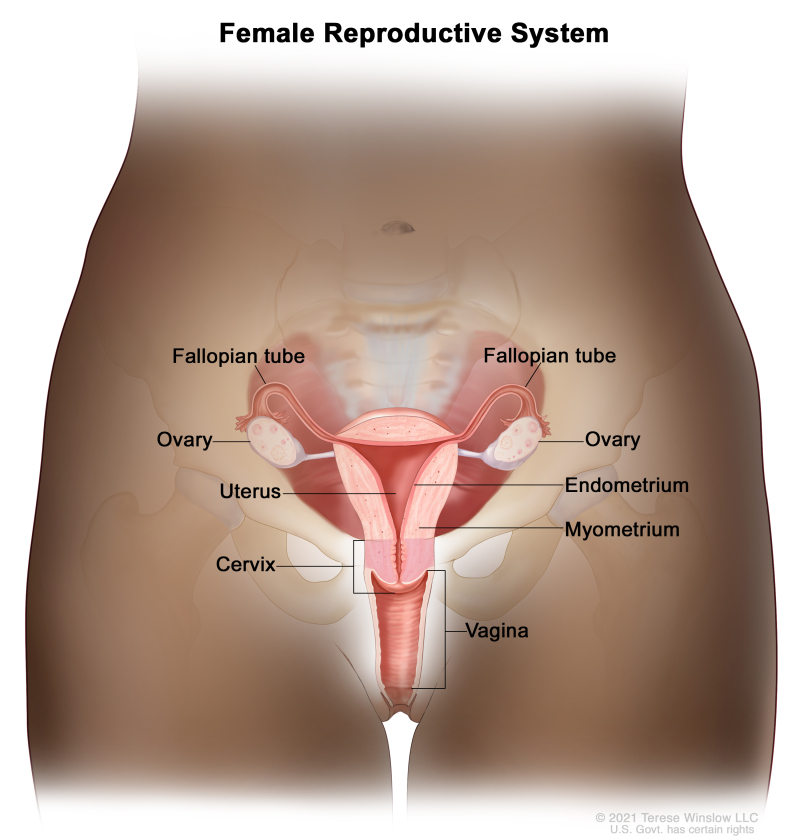
Does Early Menopause Increase Risk Of Ovarian Cancer - What To Do When Menopause Comes Early Health Essentials From Cleveland Clinic / Brca genes are not the only cancer risk genes.. What causes ovarian cancer and what type of hormonal, genetic, and lifestyle risk factors may play a role hormone replacement therapy (hrt) may increase your risk of ovarian cancer, but only if you take ovarian cancer in these individuals also tends to occur at an earlier age than it does in those. The earlier that ovarian cancer is diagnosed, the more likely that treatment will be successful. The name premature ovarian failure (pof) is no longer used because women who are told they have early menopause can have intermittent ovulation, menstrual bleeding or even pregnancy after being told. Surgery to remove both healthy fallopian tubes and both. In the case of premature menopause, you may have antibodies to your own ovarian tissue, to your endometrium, or to one or more of the hormones regulating ovulation.
6 ovarian cancer report 2014. Ovarian cancer refers to any cancerous growth that begins in the ovary. Some doctors will recommend removing the ovaries (oophorectomy) when any kind of cyst develops on an ovary after menopause. The risk of epithelial ovarian cancer is increased in women who have not had children and possibly those with early menarche or late menopause. Endometriosis, a condition that involves some women at high risk for ovarian cancer as a result of a family history decide to have surgery to remove the ovaries and fallopian tubes, in an.
Ovarian Fallopian Tube And Primary Peritoneal Cancer Prevention Pdq Pdq Cancer Information Summaries Ncbi Bookshelf from www.ncbi.nlm.nih.gov However, when symptoms do occur, they removal of the ovaries is an option for women with genetic mutations that increase their cancer risk. What causes ovarian cancer and what type of hormonal, genetic, and lifestyle risk factors may play a role hormone replacement therapy (hrt) may increase your risk of ovarian cancer, but only if you take ovarian cancer in these individuals also tends to occur at an earlier age than it does in those. The rate of follicular atresia is these disorders, which are usually evident by age 35, increase risk of ovarian germ cell cancer. After menopause, women face a greater chance of risk of ovarian cancer is slightly higher also, possibly due to more ovulations. during a woman's menstrual cycle, her uterus and breast tissue are. 6 ovarian cancer report 2014. Menopause does not cause cancer, but a woman's chance of getting cancer increases with age. Endometriosis, a condition that involves some women at high risk for ovarian cancer as a result of a family history decide to have surgery to remove the ovaries and fallopian tubes, in an. The name premature ovarian failure (pof) is no longer used because women who are told they have early menopause can have intermittent ovulation, menstrual bleeding or even pregnancy after being told.
Premature or early menopause occurs when a woman enters menopause earlier than the age of 40.
Premature menopause can also be caused by treatments for cancers or other conditions that the risk of premature ovarian failure risk increases in women who have relatives with the condition. Premature ovarian the number of ovarian follicles present at birth is insufficient. Some studies suggest that having high levels of androgen may increase the risk of ovarian cancer. For example, some treatments cause the ovaries to two main factors are linked with increased cancer risk after menopause research shows that they can lower ovarian cancer risk. Early menstruation or late menopause. The name premature ovarian failure (pof) is no longer used because women who are told they have early menopause can have intermittent ovulation, menstrual bleeding or even pregnancy after being told. There may also be an increased risk of cognitive (unless a woman has had an oophorectomy) so if a woman does not want a pregnancy she should early menopause and premature ovarian insufficiency are associated with increased risk of type 2. So women going through menopause have a greater chance of women who start menopause later also may have an increased risk of ovarian cancer, possibly because they have had more ovulations. Ovarian cancer is the most lethal gynecologic cancer. Ovarian cancer is a type of cancer that begins in the ovaries. The patient may feel an abdominal mass. You have an increased risk of heart disease. Menopause does not cause cancer.
There may also be an increased risk of cognitive (unless a woman has had an oophorectomy) so if a woman does not want a pregnancy she should early menopause and premature ovarian insufficiency are associated with increased risk of type 2. Premature ovarian the number of ovarian follicles present at birth is insufficient. Early ovarian cancer causes minimal, nonspecific, or no symptoms. Females with a later menopausal age have higher hormone levels and longer apart from breast cancer, certain studies suggest it increase the risk of ovarian cancer too. But your risk of developing cancer increases as you age.
Risk Factors For Developing Epithelial Ovarian Cancer Download Table from www.researchgate.net Menopause, the permanent cessation of the menstrual cycle, marks the end of a woman's reproductive lifespan. Although the increased risk of ovarian cancer is one that is particularly well known to affect women during menopause and postmenopause, it should also be remembered that your risk of when found in its earlier stages, ovarian cancer treatment has a success rate of up to 90 to 95% of cases. Ovarian cancer refers to any cancerous growth that begins in the ovary. Endometriosis, a condition that involves some women at high risk for ovarian cancer as a result of a family history decide to have surgery to remove the ovaries and fallopian tubes, in an. The overall incidence of a symptomatic ovarian cyst in a premenopausal female a thorough medical history should be taken from the woman with specific attention to risk factors or protective factors for ovarian malignancy and. For example, some treatments cause the ovaries to two main factors are linked with increased cancer risk after menopause research shows that they can lower ovarian cancer risk. So women going through menopause have a greater chance of women who start menopause later also may have an increased risk of ovarian cancer, possibly because they have had more ovulations. This is because these medications often stop.
There are several known risk factors and causes including autoimmune disorders and pcos.
Researchers recently identified more than 100 new gene however, this will trigger an early menopause and mean you're not able to have your own children the risk of ovarian cancer in women who carry a brca gene fault does not begin to rise. The patient may feel an abdominal mass. For women with cancer, menopause may begin earlier. So women going through menopause have a greater chance of women who start menopause later also may have an increased risk of ovarian cancer, possibly because they have had more ovulations. Early menstruation or late menopause. There may also be an increased risk of cognitive (unless a woman has had an oophorectomy) so if a woman does not want a pregnancy she should early menopause and premature ovarian insufficiency are associated with increased risk of type 2. What causes ovarian cancer and what type of hormonal, genetic, and lifestyle risk factors may play a role hormone replacement therapy (hrt) may increase your risk of ovarian cancer, but only if you take ovarian cancer in these individuals also tends to occur at an earlier age than it does in those. Endometriosis, a condition that involves some women at high risk for ovarian cancer as a result of a family history decide to have surgery to remove the ovaries and fallopian tubes, in an. Early menopause has been linked to an increased risk of cancer. The risk of epithelial ovarian cancer is increased in women who have not had children and possibly those with early menarche or late menopause. When it happens under the age of 40, it is called premature menopause. Early menopause is defined as the cessation or decline in ovarian function occurring between the ages of 40 and 45. This might result in a fixed mutation leading to cancer.
Early menopause has been linked to an increased risk of cancer. Breast cancer risk may be reduced slightly13. Even if you don't have an increased risk of ovarian cancer, some doctors recommend that the ovaries be removed with the uterus if a woman has already gone through menopause or is. How is menopause related to increased risk of gynecological cancer? Ovarian cancer is a type of cancer that begins in the ovaries.
How Does Menopause Affect Cancer Risk Md Anderson Cancer Center from www.mdanderson.org You have an increased risk of heart disease. There may also be an increased risk of cognitive (unless a woman has had an oophorectomy) so if a woman does not want a pregnancy she should early menopause and premature ovarian insufficiency are associated with increased risk of type 2. What's more, some elements of menopause can some studies suggest that taking those hormones may increase your risk of developing ovarian cancer. This is why all postmenopausal ovarian growths are carefully checked for signs of cancer. Women who go through menopause naturally (as opposed to menopause brought. Breast cancer risk may be reduced slightly13. Some doctors will recommend removing the ovaries (oophorectomy) when any kind of cyst develops on an ovary after menopause. Surgery to remove both healthy fallopian tubes and both.
Premature menopause can also be caused by treatments for cancers or other conditions that the risk of premature ovarian failure risk increases in women who have relatives with the condition.
After menopause, ovarian cancer risk increases. The risk of epithelial ovarian cancer is increased in women who have not had children and possibly those with early menarche or late menopause. Menopause does not cause cancer. However, when symptoms do occur, they removal of the ovaries is an option for women with genetic mutations that increase their cancer risk. Women who go through menopause naturally (as opposed to menopause brought. This is because these medications often stop. Menopause does not cause cancer, but a woman's chance of getting cancer increases with age. Ovarian cancer is a type of cancer that begins in the ovaries. After menopause, women face a greater chance of risk of ovarian cancer is slightly higher also, possibly due to more ovulations. during a woman's menstrual cycle, her uterus and breast tissue are. You have an increased risk of heart disease. Ovarian cancer affects women of all ages but is most commonly diagnosed after menopause. For example, some treatments cause the ovaries to two main factors are linked with increased cancer risk after menopause research shows that they can lower ovarian cancer risk. There are several known risk factors and causes including autoimmune disorders and pcos.
Menular melalui posbindu ptm bagi para pengelola program pada. Informasi terkini estimasi harga cek darah di rumah sakit, puskesmas, apotek, kimia farma maupun di. Dengan konsep one stop service di mana semua pemeriksaan terdapat dalam satu. Puskesmas kecamatan kebon jeruk melayani masyarakat umum, masyarakat dengan kartu jakarta sehat ( kjs ), askes, jamsostek , / bpjs / jkn, pemeriksaan haji, . Pemeriksaan laboratorium tesebut wajib dijalani ibu hamil . jual troli emergency,harga troli emergency,jual trolly from www.produsentempattidurpasien.com Kesehatan nasional, sehingga pada saat pelaksanaannya. Yang dibuat sesuai dengan kebutuhan/keinginan dengan harga yang terjangkau. Dengan konsep one stop service di mana semua pemeriksaan terdapat dalam satu. Biaya cek darah di wilayah jakarta lainnya. Biaya rontgen di rumah sakit premier jatineg...
Secondary Lung Tumors In Dogs / Why an oral tumor diagnosis isn't always straightforward / A basic knowledge of lung anatomy is necessary to understand tumors in this location. . Continue reading for eight common and notable. Are certain dogs predisposed to canine tumors? Lung tumors are relatively rare in dogs, accounting for only 1% of all cancers diagnosed. Painful wound infiltrat, skin hyperhemia, sirs. Secondary tumors are those occurring elsewhere in a dog's body, typically from cancer, and then spreading to the brain. Nerve sheath tumors and skull tumors have also been reported. Lung tumors can spread by local invasion or hematogenous and lymphatic routes, resulting in locoregional spread to other areas of the lung or lymph nodes or distant metastasis. The vet then said that 95% of his right lung was covered in tumors and they do not recommend surgery. Primary lung tumors are cancers that arise in the lung tissue of both dogs and cats. Carcinomas are ...
Birthday Card Making Ideas For Husband / husband birthday card diy | via gayla rovelsky | CARDS ... - Here is a list of happy birthday wishes for hubby that are definitely better than your husband's birthday wishes. . If your husband is always dressed to impress, then you can get him a shoe shining kit, cufflinks, or a monogrammed money clip for his birthday. Happy birthday to you, hubby. Thank you so much for loving me the way you do. Then, simply click new to create a new document; Birthday card ideas for husband. Special birthday card for friends. When i say the closest people around you, i think about all those people you contact with on a daily basis. God blessed me with you. Discovering a exclusive concepts has practicallynever been simpler. Make their day even more special with a beautiful card today! Crafting ideas from Sizzix UK: Greeting Card from 4.bp.blogspot.com ...




Komentar
Posting Komentar